24 Years of Quality Electrical Services
Comprehensive Electrical Panel Repair for Homes and Businesses
Your home’s electrical panel is the central heartbeat of your power system, keeping your family safe and your daily appliances running smoothly. Whether you’re dealing with urgent warning signs or want to expand your system’s capacity for modern demands like EV chargers and hot tubs, our licensed electricians are here to help. From emergency troubleshooting and critical safety repairs to custom high-amperage upgrades, we deliver safe, code-compliant, and dependable electrical panel solutions tailored to your home.
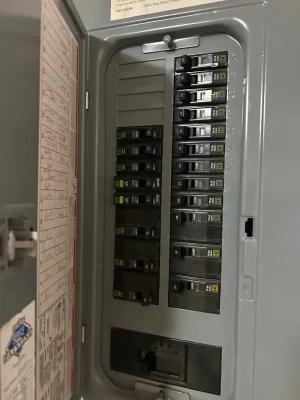
Electrical Panel Troubleshooting, Repair, and Upgrades
The Fort Myers region—and Southwest Florida overall—has more than doubled in population since 1990. As a result, many local homes are less than 30 to 40 years old and have relatively modern electrical systems compared with homes in other parts of the country.
Because many homes are newer, they typically have fewer age-related issues and require fewer changes or renovations to meet updated Florida Building Codes. However, circuits may still be overloaded and components still weaken or may fail completely.
Koska Electric has decades of experience inspecting, repairing, upgrading, and installing residential main electrical and service panels. Our team can diagnose issues accurately and provide one or more repair options. When upgrades are needed—for additions such as larger appliances, EV chargers, or other home improvements—we can recommend service options that fit your needs.
Electrical Service Interruptions - Troubleshooting & Emergency Repair
Southwest Florida, like much of central and southeastern Florida, sees above-average rainfall, high humidity, and consistent salty coastal air. Warm temperatures also keep many families running air conditioning for more of the year. Together, these conditions place added strain on home electrical systems and increase the risk of problems or failures. Some of the more common questions and reasons to call us for a consultation or a visit include the following:
Why are my lights flickering or dimming randomly or regularly?
Flickering lights usually point to a loose or failing connection somewhere on the circuit, so the first thing we do is inspect all terminations — including neutrals and grounds — to make sure nothing is loose, corroded, or overheating. We also check for shorts or failing devices on the affected circuit.
If the flickering happens mainly when large appliances like air conditioners or refrigerators turn on, that’s often a sign the circuit or the overall electrical system is running near its capacity. In those cases, we measure the actual load, evaluate the panel and breakers, and determine whether the issue is a weak connection, an overloaded circuit, or a service‑capacity problem.
Once we’ve identified the cause, we give you clear options to eliminate the flickering and ensure the system is operating safely and reliably.
Why does my circuit breaker trip or keep tripping?
- Overloaded Circuit: Drawing more electricity than the circuit is designed to handle. Sometimes you may hear buzzing or humming in addition to a trip.
- Short Circuit: A dangerous condition where a hot wire touches a neutral wire, often caused by damaged appliance cords, loose terminal screws, or faulty outlets.
- Ground Fault: Occurs when electricity strays outside its path (a hot wire touching a ground wire or metal box), often triggered by moisture or failing insulation in wires.
- Bad Breaker or Panel Issue: Over time, breaker switches degrade and trip prematurely under normal electrical loads.
Why does my outlet or wall switch not work?
- Affected circuit: We check whether the entire circuit is down and whether the breaker has tripped or failed.
- Loose or damaged wiring: Loose connections or damaged wires can cause a switch or outlet to work intermittently or stop working altogether.
- Device wear or damage: Smoke damage, worn outlet springs, or mechanical switch failure can prevent the device from operating properly.
- Tripped GFCI outlets: In kitchens, bathrooms, and some garages, a GFCI (Ground-Fault Circuit Interrupter) outlet may be used and trip because of a nearby fault.
Electrical Panel Installations - Upgrades & New Installations
As your home’s power demands grow and safety standards evolve, updating your electrical infrastructure is essential for both performance and protection. Our installation and upgrade services focus on modernization and expansion—ensuring your system meets modern electrical codes, home inspection requirements, and high-demand energy needs. Whether you need to replace obsolete or hazardous hardware like Federal Pacific Electric (FPE) and Zinsco panels, retrofit advanced AFCI and GFCI breaker protection for code compliance, or expand your capacity with subpanels and service upgrades to 200 amps or more, our certified electricians deliver safe, future-ready electrical solutions tailored to your home.
Why do Florida homeowners replace electrical panels?
Homes built between the 1970s and 2000 may have panels from manufacturers later associated with documented defects, both in testing and in the field.
Federal Pacific Electric (FPE) panels, including Stab-Lok breakers, were widely used through the late 1990s and have raised long-standing safety concerns. Homeowners should consider replacement, especially if they have experienced nuisance breaker trips or electrical shocks.
Zinsco panels, also sold under the Sylvania and GTE-Sylvania names, are most often found in homes built through the 1980s. Reported issues include deterioration at bus bars and breaker connections, which can cause overheating or prevent breakers from disconnecting properly. A qualified electrician should inspect these panels, and replacement is typically the proper solution.
Other panel and breaker models have also been recalled over time, including certain products from Square D, Eaton, and Challenger. If you think your home may have a recalled panel or breaker, Koska Electric can inspect it and provide clear recommendations to help keep your electrical system safe.
When should I consider upgrading or modifying my electrical panel?
- Adding capacity for new appliances: Pools, spas, outdoor entertainment areas, and outdoor kitchens often require new circuits and a recalculation of peak electrical load. Expanding or upgrading air conditioning may also require additional capacity
- Adding an EV charger: EV chargers require a dedicated circuit and specific protection, but they may be managed differently from other appliance loads. For example, you may choose to charge overnight, when air conditioning demand in Florida is typically lower.
- Installing smart or energy-monitoring panels: Some homeowners choose smart panels for remote monitoring, circuit control, and integration with home automation systems.
- Updating AFCI/GFCI protection: AFCI protection helps reduce fire risks from arcing, while GFCI protection helps prevent electric shock by detecting current leakage to ground. In Florida, new construction must meet current AFCI/GFCI requirements, and additions or circuit work that opens the panel or adds a branch circuit usually must also meet current code. Existing wiring is generally grandfathered unless it is modified.
How do I know if I need a larger electrical panel?
Many Florida homes built as recently as the 1990s have 100-amp to 150-amp electrical service panels. While some insurers may still cover older panels, 200 amps is generally the preferred modern minimum. Florida’s year-round air conditioning, high humidity, and storm activity can increase electrical demand and strain older systems, which may lead insurers to require updates, limit coverage, or charge higher premiums.
If you plan to add appliances or equipment that require significant continuous power, a master electrician should evaluate your current panel and calculate how the added load will affect your system. The NEC also follows the 80% rule for continuous loads, meaning a breaker should not carry more than 80% of its rating when the load is expected to run for three hours or longer.
If you are unsure whether your panel has enough capacity—or if you are planning upgrades that may increase demand—contact Koska Electric. We can assess your current system and explain your options before work begins
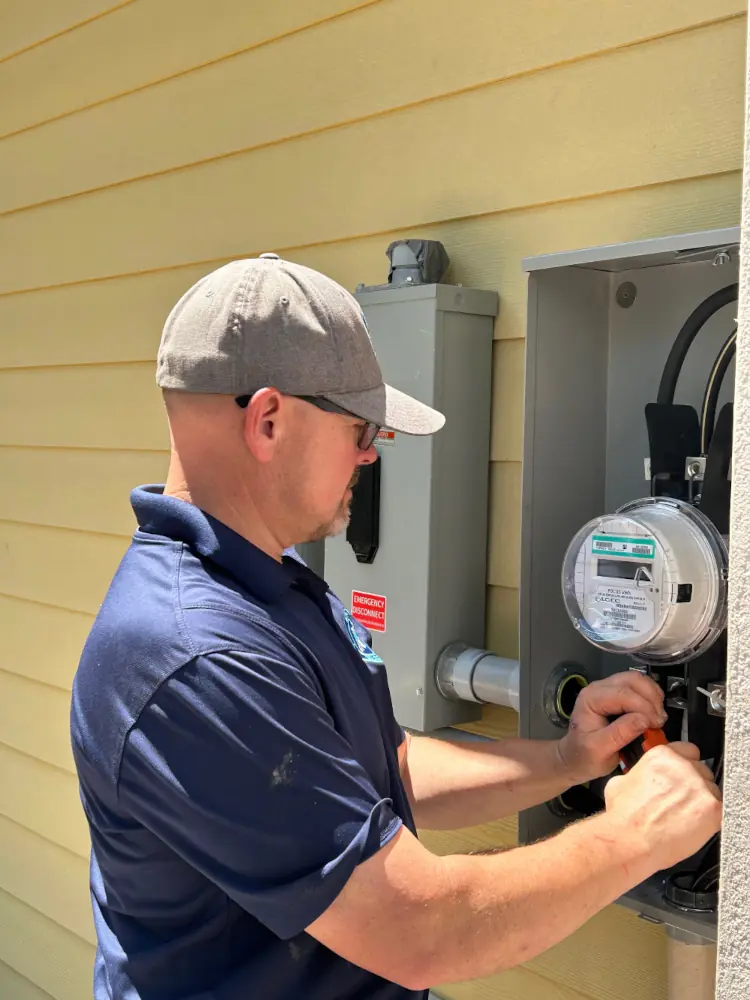
Why Chose Koska Electric?
- Our customers are treated like family.
- Guaranteed upfront pricing. No hidden costs.
- Guaranteed work done on time and done right.
Don't just take our word for it:
Hear from some of our amazing customers.
