
24 Years of Quality Electrical Services
Backup Generator Installations in Florida
Power outages are a reality in Southwest Florida — especially during hurricane season. Whatever your generator choice, whole-home standby or portable, a safe, code-compliant transfer switch and power wiring installation is essential. Koska Electric brings the licensed expertise to get it right.
Power When You Need It: Whole-Home and Portable Generators
Southwest Florida’s frequent storms and high winds can disrupt power, sometimes for extended periods. A brief outage may be inconvenient, but from April through November, thunderstorms, wind events, lightning strikes, and aging infrastructure can create longer outages and added risks.
Insurance surveys estimate that as many as 40% of Florida homes have some form of backup power. Fort Myers, Cape Coral, and Naples have also seen more installations over the past four to five years, reflecting the region’s higher outage risk compared with many other parts of the continental U.S.
Koska Electric can help prepare your home for the backup power solution that best fits your needs. We provide expert installation for safe operation and share practical guidance to help you choose the right setup. While we are not generator distributors or resellers, we can provide generators upon request.
Common Backup Generator Options in Florida
In Florida, portable generators outnumber standby generators two to three to one, largely due to their lower cost and ease of use. However, when budget permits, standby generators offer faster response times and can deliver continuous emergency power when connected to a municipal natural gas line.
Portable Generators
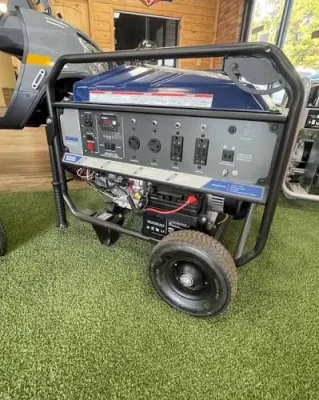
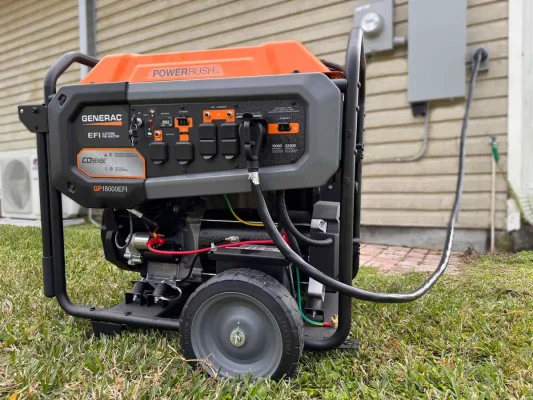
A portable generator is a smaller, movable unit that supplies temporary power for essential needs during an outage. It is often a practical choice for budget-conscious homeowners or for homes that experience only occasional outages. Portable generators can range from about 2,000 watts to modern models as large as 15,000 watts. They are typically used to power essentials such as refrigerators, lights, chargers, or can support individual appliances through built-in outlets.
A portable generator requires a planned operating location and the proper connection hardware. Although the generator can be stored elsewhere, the connection point should allow it to run far enough from the home to reduce carbon monoxide risks. A commonly accepted guideline is to operate the generator at least 20 feet from windows, doors, and open vents. Safe setup typically requires the following permits and hardware:
- A manual transfer switch or interlock kit must be installed to prevent generator power and utility power from being connected at the same time. Automatic transfer switches are available but are not required. These systems can be configured to power selected circuits or, when properly sized, the whole house.
- A power inlet box must also be installed. This weatherproof, exterior-mounted box includes a male connector that allows the portable generator to plug into the home’s electrical system. Depending on the emergency loads you want to support, the wiring and hardware are typically designed for 30-amp to 50-amp service.
- Florida local building departments require an electrical permit and inspection for any transfer switch or inlet box installation connected to home wiring. Installation should be handled by a licensed electrician.
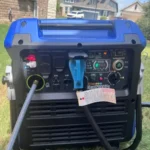
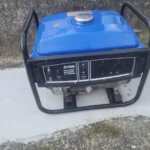
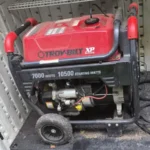
Portable Generator Brands:
Homeowners can choose from dozens of portable generator manufacturers through home improvement stores, hardware retailers, and online sellers. Popular domestic brands include DeWalt, Cummins, Generac, and Kohler, while imported options include Honda, Yamaha, Genmax, and others.
Whole-Home Pad Mounted Generators
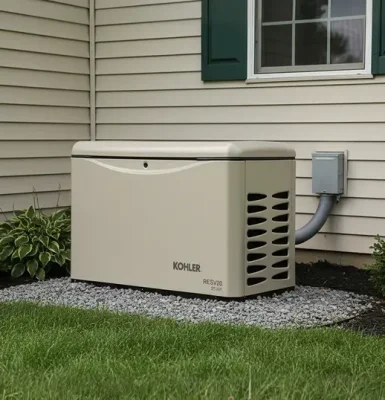
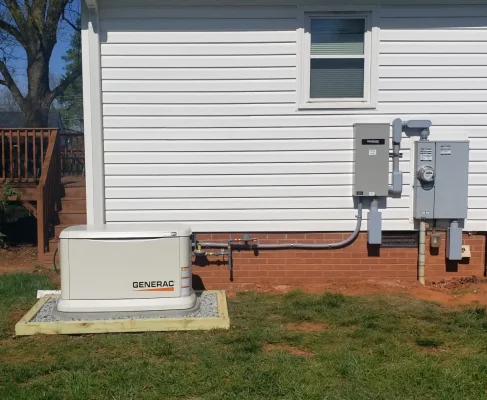
Whole-home generators, often called standby generators, are high-capacity units powered primarily by natural gas, and sometimes by liquid propane (LP). They are permanently connected to your home through an automatic transfer switch (ATS). If a hurricane or other weather event causes an outage while you are asleep or away, the generator starts automatically, usually within 10 to 20 seconds. When utility power returns, the ATS switches the home back to the grid and the generator shuts off.
In Fort Myers and across Southwest Florida, standby generators commonly range from about 20 kW to 40 kW or more for larger homes. Because these units can weigh close to 1,000 pounds or more, they are not portable and must be installed permanently by qualified professionals. At minimum, installation and commissioning typically require the following:
- The location must meet local code and HOA requirements, including any rules related to placement or appearance.
- The generator must be mounted on a properly sized pad, which requires site preparation and concrete work.
- For natural gas units, a supply line must be available at the selected location or extended underground to reach it.
- For LP units, a properly installed tank and supply lines must be in place, or installed if needed. Some locations require underground placement.
Permits and inspections are required to satisfy building, electrical, gas or fuel, and zoning regulations.
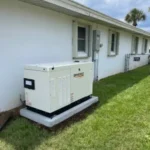
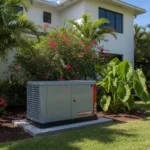
Standby Generator Brands:
In Southwest Florida, we most often install and connect standby generator models from Kohler and Generac. Cummins and Briggs & Stratton generators are also available in the area.
We can help you compare standby generator manufacturers and capacity options so you can choose the best backup power solution for your needs.
Why Portable Backup Generators are More Popular in Florida
Portable generators can offer meaningful cost savings, flexibility, and ease of use compared with the higher cost and fixed installation of a whole-home generator. They are available in many output capacities from numerous manufacturers. Most are gas-powered, and their run time depends mainly on the amount of fuel stored or purchased. Other advantages include:
- Portable generator purchase and installation costs can be much lower than those for permanently installed, natural gas-fueled whole-home generators. The generator itself may cost as little as one-tenth as much, installation can cost about half as much, and no poured pad is required.
- No permits for natural gas hookups are required.
- You have flexibility in where you place both the portable generator and the inlet box used to connect it to your home. The key requirement is keeping the generator at least 20 feet from the house to reduce carbon monoxide risk.
- Lifetime maintenance costs are generally much lower.
- They are easier to upgrade or replace when needed.
- Propane-fueled models are also available.
Quick Reference Table - Standby Generator vs Portable Generator
| Function or Feature | Portable Generator | Standby Generator |
|---|---|---|
| Ideal Use | Budget conscious, essentials backup | Hands-off, whole-home backup |
| Output | 2kW to 13kW+ | 20kW to 40kW+ |
| Operation | Manual start/stop, manual generator placement | Full-Auto, on/off |
| Fuel | Gasoline or propane | Natural gas or LP |
| Installation | Requires electrical outlet and switch, simple permits | Requires electrical work (ATS and permanent generator wiring), mounting‑pad construction, gas supply line work, and full permitting. |
| Maintenance | Periodic starts, oil changes, fuel stabilizer additions | Requires periodic or annual inspections, testing, servicing |
More Generator Information
Hear From Backup Generator Customers

Why Chose Koska Electric?
- Our customers are treated like family.
- Guaranteed upfront pricing. No hidden costs.
- Guaranteed work done on time and done right.